While the therapeutic benefits of Korean massage are widely celebrated, its true essence can only be understood within the rich tapestry of Korea’s spa traditions. Far from being a standalone luxury treatment, Korean massage is a vital, culturally-embedded ritual deeply intertwined with community, social hierarchy, and a collective approach to well-being. To appreciate it is to step into a world where wellness is not a solitary pursuit but a shared, communal experience.visit for more details 마사지
1. The Jjimjilbang: The Stage for a Cultural Ritual
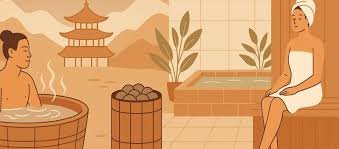
At the heart of Korean spa culture lies the Jjimjilbang, a 24-hour public bathhouse and sauna that serves as much more than a place to get clean. It is a cornerstone of Korean social life—a community hub where people of all ages and backgrounds gather to relax, connect, and rejuvenate.
- A Social Equalizer: In the segregated bathing areas, social status melts away. Everyone, from a CEO to a student, shares the same space, following the same rituals. This fosters a unique sense of community and egalitarianism that is rare in other aspects of Korean society.
- A Multi-Generational Affair: It’s common to see entire families—from grandparents to grandchildren—spending a weekend day at a jjimjilbang. This tradition normalizes self-care from a young age and strengthens family bonds outside the home.
- The Ritualistic Flow: The experience is a prescribed ritual. One begins by thoroughly cleansing and soaking in the hot baths (mogyoktang), then moves to the dry sauna rooms to sweat out toxins, followed by a period of relaxation in the common area, often clad in the provided uniform. It is within this carefully orchestrated sequence that massage finds its cultural place.
2. The Role of Massage: A Deeper Layer of the Spa Experience
Within the bustling ecosystem of the jjimjilbang, massage is not the main event for everyone, but rather a specialized, therapeutic service that elevates the experience. It is typically sought out after the initial soaking and sweating, when the muscles are warm and most receptive.
- The Seshin (Body Scrub) Precedent: Before a massage, many Koreans opt for a seshin, a vigorous full-body exfoliation performed by an ajumma (a respected middle-aged woman). This intense scrub removes layers of dead skin, symbolizing a shedding of the old and a preparation for renewal. The massage that follows is then able to work more deeply on the “new” skin and underlying muscles.
- The Ajumma: Custodians of Tradition: The practitioners, often ajummas, are more than just therapists; they are the living custodians of this tradition. With years, often decades, of hands-on experience, they possess an intuitive, almost shamanistic understanding of the body. Their firm, no-nonsense approach is a cultural hallmark—this is not gentle pampering, but serious, effective bodywork aimed at restoring function and flow. Their role is deeply respected, and they are seen as essential healers within the community.
3. A Philosophy of Collective Well-being
The cultural significance of Korean massage is also rooted in a more collectivistic view of health compared to the individualistic West.
- Preventative Care for the Community: Historically, public baths were essential for public health in densely populated areas. This evolved into a cultural understanding that taking care of one’s body is a responsibility to one’s family and community. A healthy, stress-free individual contributes to a healthier society. Regular visits to the spa, including massage, are seen as a necessary form of maintenance, not an indulgence.
- Shared Experience of Relief: The post-massage feeling of rejuvenation is often shared with friends or family in the common relaxation areas. People chat, eat roasted eggs and sikhye (sweet rice drink), and simply be together in a state of collective relaxation. This transforms the personal benefits of the massage into a shared social memory.
4. The Modern Evolution and Global Identity
As Korean culture has gone global, so too have its spa traditions. The jjimjilbang has been adapted for luxury hotels and international spas, often in a more sanitized and individualized format. K-dramas and films frequently feature iconic scenes in these bathhouses, cementing their place in the global imagination of Korean life.
However, for locals and knowledgeable visitors, the true cultural significance remains in the authentic, bustling, communal environment. It’s in the sound of water splashing, the heat of the hanjeungmak (kiln sauna), and the firm, knowing hands of an ajumma working to restore the flow of Ki.
Conclusion: A Ritual of Connection
Korean massage cannot be fully appreciated in isolation. It is a powerful chapter in a much larger story—the story of the Korean spa tradition. It is a practice that weaves together hygiene, social connection, family, and a profound respect for the body’s resilience. To experience it is to participate in a cultural ritual that heals not only the individual but also strengthens the invisible bonds of community, making it a truly significant and unforgettable part of Korea’s living heritage.