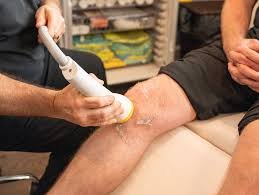
Patellar tendonitis, commonly known as “jumper’s knee,” is an overuse injury that affects the tendon connecting the kneecap (patella) to the shinbone (tibia). It often develops in athletes, runners, or individuals engaged in repetitive jumping or squatting activities. Left untreated, it can lead to chronic pain, reduced mobility, and difficulty performing daily or athletic activities. Licensed patellar tendonitis soothers provide structured care to relieve pain, strengthen the knee, and promote long-term tendon health.
For expert guidance and detailed recovery protocols, you can explore 출장 for professional resources.
Understanding Patellar Tendonitis
The patellar tendon is critical for extending the knee and absorbing forces during physical activity. Repetitive stress can cause microtears and inflammation, resulting in tendonitis. Common symptoms include:
-
Pain and tenderness just below the kneecap
-
Swelling around the tendon
-
Discomfort during jumping, running, or climbing stairs
-
Stiffness after periods of inactivity
Early identification and treatment prevent progression to chronic tendon damage or partial tears.
Causes and Risk Factors
Patellar tendonitis often develops due to:
-
Repetitive jumping or running
-
Sudden increases in training intensity or volume
-
Tight quadriceps or hamstrings
-
Weak hip or core muscles leading to poor knee alignment
-
Improper footwear or hard training surfaces
Athletes in basketball, volleyball, or track and field are particularly susceptible.
Licensed Soothers’ Approach
Professional care focuses on reducing pain, restoring tendon strength, and preventing recurrence. Licensed patellar tendonitis programs typically include:
1. Activity Modification and Rest
-
Avoid high-impact activities that aggravate pain
-
Substitute low-impact exercises, like cycling or swimming
-
Use knee braces or straps to offload tendon stress
2. Ice Therapy and Pain Management
Cold therapy for 15–20 minutes several times daily reduces inflammation. Licensed providers may also recommend safe anti-inflammatory interventions as needed.
3. Stretching and Flexibility
Targeted stretches help relieve tightness and support tendon healing:
-
Quadriceps stretches
-
Hamstring stretches
-
Calf stretches
Consistency without over-stretching is essential to prevent further irritation.
4. Strengthening Exercises
Eccentric strengthening exercises, where muscles lengthen under load, are highly effective:
-
Decline squats with gradual progression
-
Controlled single-leg squats
-
Step-down exercises on a platform
These exercises strengthen the quadriceps, redistribute load, and improve knee stability.
5. Balance and Functional Training
Improving balance and proprioception protects the tendon during dynamic activities:
-
Single-leg balance drills
-
Lateral stepping exercises
-
Mini-squats with stability challenges
Proper functional training reduces recurrence risk and supports safe return to sports.
Supportive Footwear and Equipment
Footwear and equipment impact tendon stress. Recommended adjustments include:
-
Cushioned shoes to absorb impact
-
Knee straps or sleeves to offload tendon tension
-
Avoiding worn-out or unsupportive shoes
Custom orthotics may be prescribed for individuals with biomechanical imbalances.
Gradual Return to Activity
Structured progression is essential:
-
Low-impact training without pain
-
Gradual introduction of jogging or light plyometrics
-
Stepwise increase in intensity and volume
-
Full sports participation only after pain-free execution
Monitoring symptoms during each phase ensures safe tendon recovery.
Nutrition and Recovery
Nutritional support enhances tendon healing:
-
Protein for tissue repair
-
Vitamin C and zinc for collagen synthesis
-
Anti-inflammatory foods to reduce swelling
-
Adequate hydration to support circulation
A well-balanced diet accelerates recovery and strengthens connective tissues.
Monitoring and Professional Oversight
Regular follow-up with licensed professionals ensures safe exercise progression and adjusts rehabilitation plans as needed. Persistent pain, swelling, or changes in knee function should prompt professional evaluation.
For structured rehab programs and expert guidance, 출장 provides reliable resources.
Preventing Future Patellar Tendonitis
Once recovered, prevention strategies include:
-
Gradually increasing training intensity
-
Regular quadriceps, hamstring, and hip strengthening
-
Stretching routines before and after exercise
-
Proper footwear and supportive gear
-
Incorporating rest and recovery days
Maintaining strength and flexibility reduces the likelihood of recurrence and supports long-term knee health.
Final Thoughts
Licensed patellar tendonitis soothers provide evidence-based strategies for knee pain relief, tendon strengthening, and safe return to activity. Early intervention, structured rehabilitation, and consistent home care are key to achieving full recovery.
For professional advice, detailed exercises, and comprehensive recovery strategies, visit 출장 to access expert resources for patellar tendonitis management.